There is a stark and profound difference between observing a life and actually sharing one in deep relationship.
Take the barista at Plato. If I had chosen to keep my distance, I could tell you a lot about him just from seeing him regularly across the counter. I could tell you his shift schedule, how he tamps the espresso, the way he greets the customers, and the exact uniform he wears every day. I could compile a neat, transactional database of facts. But the truth is, I actually know him. I know him because we have spent time together, opening our hearts, sharing the stuff behind our masks. We’ve tarried together right here in the quiet, woody scent of the houthuis, trusting each other, sharing deep, vulnerable conversations as the evening shadows stretch across the backyard. Because of that, I can tell you with certainty: he is a son of the living God.
This distinction—the infinite chasm between knowing about someone and intimately knowing their heart—is the exact fault line of our faith.
For years, so many of us have treated God like a barista behind a cosmic counter. We study Him from a safe, sterile distance. We memorize facts about His character and meticulously mimic the behaviours we think will earn us a nod of approval. We settle for a transactional observation instead of a transformational relationship.
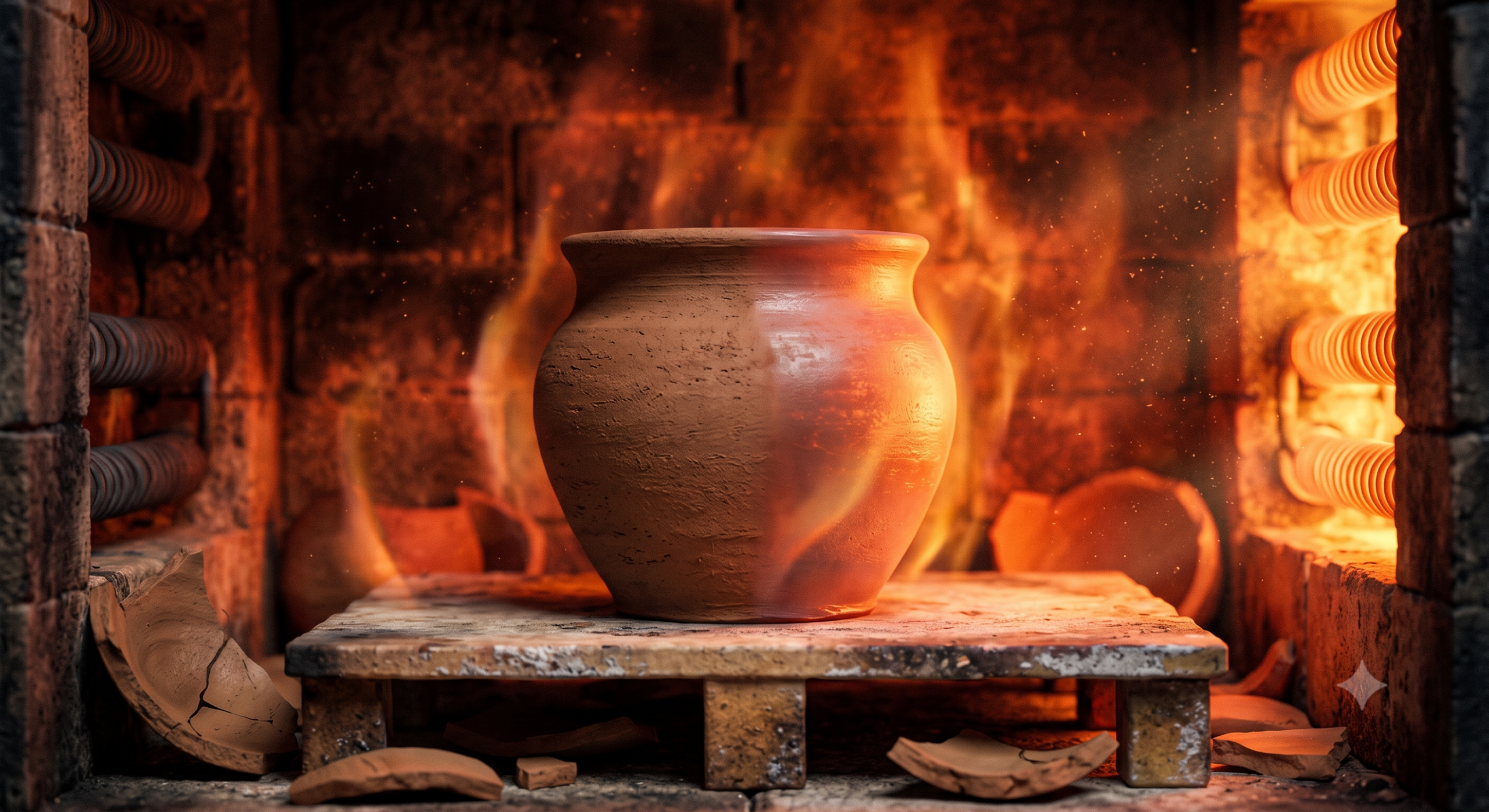
There is a heavy clump of clay stuck in the ventricle of my heart tonight, and I just need to cut through the spiritual pretence and rip it out. Why are we so chronically addicted to the familiar chains we were just freed from? Barely thirty days out of Egyptian slavery, and the Israelites were already begging to go back to the whip, terrified of the spectacular, open freedom ahead. God gives them miraculous provision, a promise, and a covenant as His people—yet they still yearn for the garlic of their captivity. Even those who eventually step into the promise quickly trade the Maker of the Universe for the cold comfort of handmade idols. It is an exhausting, heartbreaking loop: trying to sustain a holy covenant through sheer, fleshly effort, and failing, over and over again.
Then, the final Covenant arrives. Jesus completes everything needed to restore the original intimacy of Genesis. And yet—here is the agonizing frustration that keeps me up in the houthuis—we still choose to crawl back to the rigid, dead mechanics of the Old Covenant. We would rather hide behind a safe, predictable rulebook than step into the terrifyingly beautiful intimacy of a relationship with the One who fully KNOWS us, and who invites us to deeply, truly, and recklessly KNOW Him.
It was for absolute freedom that we were set free. Maybe my heart aches over this because I am intimately, embarrassingly familiar with returning to the vomit of my own self-salvation. But that is why I have to stop. I realize now that I haven’t been digging a way out; I’ve simply dug a grave where I can finally leave my old, exhausted self. I am dropping the shovel to take the hand of the Graverobber, letting Him pull me up from the mud and place me securely at His table.
In the research paper, “The Great Escape: Covenant vs. Legalism”, this exhausting performance is unmasked for what it truly is: the pathology of religious legalism. It is spiritual perfectionism, executed in the power of the flesh in a futile attempt to gain approval from God or from people. It relentlessly focuses on outward conduct, neutralizing the liberating power of the gospel by exchanging the joy of salvation for the drudgery of compliance.
When we realize how exhausting this is, we often feel like we are trapped in a POW camp, frantically trying to dig our way out. But the agonizing absurdity of performance-based religion is that there are no walls. Jesus Christ did not just unlock the gate; He completely demolished the prison.
To truly visualize this Great Escape, we must look at the spiritual operating systems we choose to live in, and the absurd baggage we drag into the Father’s house.
The Leaky Tent in the Grand Estate
Imagine inheriting a breathtaking, sunlit estate. The doors are thrown wide open. Right in the centre of the grand living room is a massive, beautifully set family table. This represents the reality of Sonship—a place of absolute rest, purchased entirely by the blood of Jesus. In this place, you are fully known, fully loved, and securely held.
But gripped by an orphan spirit and the deep, paralyzing fear of inadequacy, we refuse to take our seat at the table.
Instead, we drag a leaky canvas tent right into the middle of the Father’s pristine living room. We hammer pegs into the beautiful hardwood floor. We zip ourselves inside, shivering in the cold, eating meagre rations off a tiny camping stove. We constantly try to “earn” our keep by frantically scrubbing the floors around our little campsite, terrified that the Master of the house will evict us if we don’t perform.
We are Holding Two Sets of Keys, clumsily trying to unlock the doors to a house we are already standing inside. We are working for our rest, entirely missing the fact that we were designed to work from it.
The Old Covenant Law was only ever meant to be a diagnostic mirror, reflecting the absolute impossibility of self-purification. It was designed to show us that we could never scrub the floors well enough to buy the estate. Yet, we stay zipped in our tents, sweating under the fear of man, hoping God will be impressed by our sheer exertion and self-denial.
Stepping onto the Hardwood
The Great Escape is not a prison break. It is an awakening.
The escape happens the moment you realize the absolute absurdity of camping in your own home. It is the ultimate spiritual “Save As” function—receiving a new identity that doesn’t rely on your ability to survive the elements, but on His ability to provide the shelter.
It requires Removing our Shoes—shedding our pride, stepping out of the exhausting dirt of the tent, and feeling the solid, holy ground of the Father’s floorboards beneath our feet. When we finally unzip our broken tent, step out, and take our rightful seat at the table, the New Covenant takes over. The Holy Spirit gently replaces our exhausted and stubborn heart of stone with a tender, responsive heart of flesh.
Our daily work transforms into true ministry and service—an overflow that drastically changes us, not just the people we serve. It is no longer a frantic sprint to pay the rent for our tent space. It becomes the gentle, effortless overflow of simply abiding in the room with Him.
The tent is packed away. The air in the houthuis is quiet. I am no longer fighting for my place; I am simply resting in it.
What’s next, Pappa?
Enjoying Kleitablette? Support us by making a donation here!